Introduction
Starting a business that sells or serves alcohol in South Africa? This comprehensive guide covers everything you need to know about obtaining a liquor licence in 2025, from understanding the different types available to navigating the application process successfully.
With over 20 years of experience as a liquor licence consultant, I've helped thousands of businesses secure their liquor licences across South Africa. This guide shares that expertise to help you understand the process and avoid common pitfalls.
Table of Contents
- Understanding South African Liquor Legislation
- Types of Liquor Licences
- Who Needs a Liquor Licence?
- Requirements for Liquor Licence Applications
- The Application Process Step-by-Step
- Costs Involved
- Timeline Expectations
- Common Reasons for Rejection
- Provincial Variations
- Compliance and Operating Requirements
- Frequently Asked Questions
1. Understanding South African Liquor Legislation
National vs Provincial Legislation
South Africa has a dual system of liquor legislation:
National Liquor Act (Act 59 of 2003): Governs liquor at the national level, covering manufacturing, distribution, and retail sale.
Provincial Liquor Acts: Each province has its own liquor legislation governing retail licences:
- Western Cape Liquor Act
- Gauteng Liquor Act
- KwaZulu-Natal Liquor Licensing Act
- And so on for all 9 provinces
This means specific requirements can vary by province, which is why local expertise is crucial.
Why Liquor Licences Are Strictly Regulated
South Africa regulates liquor sales to:
- Protect public health and safety
- Control alcohol availability to minors
- Manage social impacts of alcohol consumption
- Generate tax revenue
- Ensure responsible business practices
- Balance economic benefits with community concerns
Understanding this regulatory framework helps you appreciate why the application process is thorough and why compliance is strictly enforced.
2. Types of Liquor Licences
South Africa offers 10 main types of liquor licences under different sections of the Liquor Act:
Section 36 - New Liquor Licence
For new businesses applying for their first liquor licence. Suitable for restaurants, pubs, bottle stores, hotels, and any establishment selling or serving alcohol.
Timeline: 90-120 days Best for: New businesses, startups, first-time licence holders
Read more: New Liquor Licence Application Guide
Section 65(1) - Transfer of Liquor Licence
For transferring an existing licence when buying or selling a licensed business.
Timeline: 30-90 days Best for: Business purchases, ownership changes
Read more: Liquor Licence Transfer Guide
Section 48(1) - Temporary Liquor Licence
For seasonal or short-term trading up to 12 months.
Timeline: 30-60 days Best for: Seasonal businesses, pop-ups, market traders
Read more: Temporary Liquor Licence Guide
Section 48(4) - Event Liquor Licence
For single events like weddings, festivals, and corporate functions.
Timeline: 14-30 days Best for: Weddings, festivals, events, parties
Read more: Event Liquor Licence Guide
Section 53 - Alter Licensed Premises
For getting consent to renovate, extend, or alter licensed premises.
Timeline: 30-60 days Best for: Renovations, expansions, layout changes
Read more: Alteration Consent Guide
Section 59(4) - Extension of Trading Hours
For permission to trade beyond standard hours.
Timeline: 60-120 days Best for: Nightclubs, late-night bars, entertainment venues
Read more: Extended Trading Hours Guide
Section 51(2) - Transfer Financial Interest
For changing ownership percentages or adding/removing partners.
Timeline: 30-75 days Best for: Partnership changes, shareholding adjustments
Read more: Financial Interest Transfer Guide
Section 57(1) - Store Liquor Application
For permission to store liquor at alternative locations.
Timeline: 30-75 days Best for: Warehousing, bulk storage, multiple locations
Section 66(2) - Removal of Licence
For relocating your licence to new premises.
Timeline: 60-120 days Best for: Business relocations, moving to new premises
Read more: Licence Removal Guide
Section 65(3) - Consent to Conduct Business
For temporary permission to trade while licence transfer processes.
Timeline: 7-21 days Best for: Immediate trading when buying licensed business
Read more: Trading Consent Guide
3. Who Needs a Liquor Licence?
Businesses Requiring Liquor Licences
Restaurants & Cafes: Any establishment serving wine, beer, or spirits with meals requires an on-consumption licence.
Pubs, Bars & Taverns: All drinking establishments need on-consumption licences.
Bottle Stores & Liquor Shops: Retail outlets selling packaged liquor need off-consumption licences.
Hotels & Guest Houses: Accommodation establishments serving guests need on-consumption licences.
Nightclubs: Entertainment venues require on-consumption licences, often with extended trading hours.
Event Venues: Function venues need licences for events, or clients need event licences.
Wine Farms: Tasting rooms and wine sales require appropriate licences.
Craft Breweries & Distilleries: Manufacturing and retail sales require micro-manufacturing licences.
Supermarkets: Grocery stores with liquor sections need off-consumption licences.
Sports Clubs: Members-only venues serving alcohol need club licences.
Who Doesn't Need a Licence?
- Private homes serving alcohol to personal guests (not for sale)
- Unlicensed venues where clients bring their own alcohol (BYOB) with proper disclaimers
- Businesses only selling non-alcoholic beverages
Important: Even serving "complimentary" alcohol at commercial events or businesses typically requires a licence.
4. Requirements for Liquor Licence Applications
Personal Requirements (Applicant)
Citizenship/Residency:
- South African citizen, permanent resident, or valid work permit holder
Age:
- Must be 18 years or older
Criminal Record:
- No convictions under the Liquor Act
- No serious criminal convictions (authorities assess case-by-case)
- Background check conducted
Financial Standing:
- Proof of financial stability
- SARS tax clearance certificate
- Not insolvent or under debt review
Competency:
- Legally competent to enter contracts
- Not under curatorship
Business Requirements
Registration:
- Registered business entity (Pty Ltd, CC, sole proprietor, partnership)
- CIPC registration (companies/CCs)
- Business bank account
- Valid trading licence
Financial:
- Business plan (some provinces)
- Proof of financial viability
- Capital investment evidence
Compliance:
- Tax clearance
- Good standing with authorities
- No outstanding violations
Premises Requirements
Ownership/Lease:
- Legal right to occupy premises
- Lease agreement or title deed
- Landlord consent (if leasing)
Zoning:
- Premises zoned for commercial/business use
- Zoning certificate from municipality
- Suitable for liquor sales/service
Compliance:
- Building compliance certificate
- Health and safety approval
- Fire safety compliance
- Adequate ventilation and sanitation
- Parking facilities (where required)
Location:
- Distance requirements from schools, churches (varies by province)
- Not in prohibited areas
- Access and egress compliance
Documentation Checklist
Application Forms:
- Completed LA1 (or provincial equivalent)
- All sections filled correctly
- Signed and dated
Identity Documents:
- Certified copy of SA ID or passport
- Proof of residence (recent utility bill, bank statement)
Business Documents:
- Company/CC registration (CIPC)
- Business registration certificate
- Tax clearance certificate
- Bank account confirmation
Premises Documents:
- Lease agreement or title deed
- Zoning certificate
- Floor plans
- Building compliance
- Fire safety approval
Supporting Documents:
- Business plan/motivation letter
- Proof of public notice placement
- Financial statements
- Insurance certificates
This is where most applications fail - incomplete or incorrect documentation. Professional assistance ensures nothing is missing.
5. The Application Process Step-by-Step
Determine Licence Type
Identify which type of licence suits your business model. Consider:
- What you're selling (wine only, beer and wine, full liquor)
- Where it's consumed (on-premises, off-premises, both)
- Duration (permanent, temporary, event)
- Your specific business needs
Assess Eligibility
Verify you meet all personal, business, and premises requirements. This includes:
- Personal eligibility (age, criminal record, financial standing)
- Business registration and compliance
- Premises suitability and compliance
Secure Premises
If you don't have premises yet:
- Find suitable location
- Verify zoning allows liquor licence
- Check distance from schools/churches
- Secure lease agreement or purchase
Gather Documentation
Collect all required documents:
- Personal documents
- Business registration and financial documents
- Premises documents and certificates
- Compliance approvals
Complete Application Forms
Fill out the official application form (LA1 or provincial equivalent):
- All sections completed
- No errors or omissions
- Properly signed
- Supporting documents attached
Place Public Notices
Required by law - must publish:
- Notice in local newspaper (circulation requirements)
- Notice displayed at premises (30 days typically)
- Format and content as specified by regulations
Submit Application
Submit to provincial Liquor Licensing Authority:
- All forms and documents
- Application fees paid
- Proof of public notice
- Complete package as required
Objection Period
Statutory period (typically 30 days) for objections:
- Neighbors can object
- Competing businesses can object
- Community organizations can object
- You must respond to objections
Authority Processing
Liquor Licensing Authority reviews:
- Verifies documentation
- Conducts background checks
- May inspect premises
- Assesses objections
- Reviews compliance
Hearing (if required)
Some applications require Liquor Licensing Board hearing:
- Present your application
- Respond to objections
- Answer board questions
- Professional representation recommended
Decision
Authority makes decision:
- Approve with conditions
- Approve unconditionally
- Deny application
- Request additional information
Licence Issuance
If approved:
- Licence certificate issued
- Pay annual fees
- Collect licence
- Can begin trading legally
6. Costs Involved
Government Fees
New Licence Application (Section 36):
- Application fee: R2,000 - R5,000 (varies by province)
- Annual licence fee: R2,000 - R10,000+ (depends on business type and size)
Transfer (Section 65):
- Transfer fee: R1,500 - R3,500
- Annual licence fee (pro-rated)
Event Licence (Section 48(4)):
- Application fee: R300 - R1,000 per event
Other Applications:
- Section 53 (Alterations): R1,000 - R2,500
- Section 59 (Extended Hours): R1,500 - R3,000
- Section 51 (Financial Interest): R1,000 - R2,000
Public Notice Costs
- Newspaper publication: R1,500 - R3,000
- Multiple publications if required
Compliance Costs
- Zoning certificate: R500 - R1,500
- Building compliance: R1,000 - R3,000
- Fire safety approval: R1,000 - R2,500
- Health and safety inspection: R500 - R2,000
Professional Fees
- Liquor licence consultant: R10,000 - R30,000+ (depends on complexity)
- Attorney (if needed): R5,000 - R20,000+
- Architect/draftsman (floor plans): R2,000 - R10,000
Total Cost Estimates
New Restaurant Licence: R25,000 - R50,000 total New Bottle Store Licence: R30,000 - R60,000 total Transfer (Buying Business): R15,000 - R35,000 total Event Licence: R2,000 - R5,000 total Temporary Licence: R10,000 - R25,000 total
Value of Professional Assistance: While professional fees add to upfront costs, they:
- Significantly increase approval chances
- Prevent costly mistakes and rejections
- Save time (faster processing)
- Avoid delays that cost more in lost revenue
- Provide peace of mind and compliance guidance
7. Timeline Expectations
Application Processing Times by Type
New Liquor Licence (Section 36):
- Western Cape: 90-120 days
- Gauteng: 90-150 days
- KwaZulu-Natal: 90-150 days
Transfer (Section 65):
- Western Cape: 30-60 days
- Gauteng: 45-90 days
- KwaZulu-Natal: 45-90 days
Temporary Licence (Section 48(1)):
- Most provinces: 30-75 days
Event Licence (Section 48(4)):
- Most provinces: 14-30 days
- Fast-track available: 7-14 days
Other Applications:
- Section 53 (Alterations): 30-75 days
- Section 59 (Extended Hours): 60-120 days
- Section 66 (Removal): 60-120 days
Factors Affecting Timeline
Faster Processing:
- Complete, error-free application
- No objections received
- All compliance in place
- Straightforward location
- No hearing required
Slower Processing:
- Incomplete documentation
- Objections to address
- Hearing required
- Provincial backlog
- Holiday periods
Realistic Planning: For new businesses, plan minimum 4-6 months from deciding to open to actually trading with liquor licence in hand.
8. Common Reasons for Rejection
Based on 20+ years of experience, here are the most common reasons liquor licence applications are rejected:
1. Incomplete Documentation (35% of rejections)
- Missing required documents
- Incorrect or outdated certificates
- Unsigned forms
- Insufficient supporting information
Prevention: Professional preparation ensures complete applications.
2. Zoning Issues (20% of rejections)
- Premises not zoned for liquor sales
- Residential zoning
- Special consent required but not obtained
Prevention: Verify zoning before securing premises.
3. Proximity Violations (15% of rejections)
- Too close to schools
- Too close to churches or religious buildings
- Conflicts with other licensed premises density
- Province-specific distance requirements
Prevention: Map check of premises location before applying.
4. Unresolved Objections (10% of rejections)
- Community objections not adequately addressed
- Competing business objections
- Failure to respond to objections properly
Prevention: Proactive community engagement and professional objection responses.
5. Personal Eligibility Issues (8% of rejections)
- Criminal record concerns
- Financial instability
- SARS non-compliance
- Previous licence violations
Prevention: Address issues before applying or be transparent with motivation.
6. Premises Non-Compliance (7% of rejections)
- Building code violations
- Fire safety failures
- Health and safety issues
- Inadequate facilities
Prevention: Pre-application premises inspection and compliance work.
7. Incomplete Forms or Errors (5% of rejections)
- Form errors or omissions
- Incorrect information
- Conflicting information between documents
Prevention: Professional form completion and review.
9. Provincial Variations
Each province has unique approaches and emphases:
Western Cape
Characteristics:
- Well-established system
- Tourism focus
- Stringent enforcement in Cape Town metro
- Wine industry special provisions
Unique Aspects:
- Entertainment district policies (Long Street, etc.)
- Beachfront restrictions
- Township licensing initiatives
- Wine farm friendly
Average Timeline: 90-120 days (new), 30-60 days (transfer)
Gauteng
Characteristics:
- High-density licensing
- Metro vs township variations
- Security emphasis
- Economic hub focus
Unique Aspects:
- Sandton/Rosebank special zones
- Township challenges
- Crime prevention focus
- Johannesburg most complex
Average Timeline: 90-150 days (new), 45-90 days (transfer)
KwaZulu-Natal
Characteristics:
- Tourism economy support
- Coastal area focus
- Traditional authority areas
- Cultural considerations
Unique Aspects:
- Durban beachfront policies
- Rural vs metro differences
- Zulu cultural sensitivity
- Indian Ocean area specifics
Average Timeline: 90-150 days (new), 45-90 days (transfer)
Other Provinces: Each of the remaining 6 provinces has its own liquor authority and specific policies. Expert knowledge of your specific province is critical for success.
10. Compliance and Operating Requirements
Once You Have Your Licence
Display Requirements:
- Licence certificate must be prominently displayed
- Trading hours must be visible to public
- Age restriction notices: "No sales to persons under 18"
- Responsible service notices
Trading Hours:
- Must operate only within approved hours
- Violations result in fines and licence suspension
- Extensions require Section 59 approval
Sales Restrictions:
- No sales to minors (under 18 years)
- No sales to visibly intoxicated persons
- Staff must be trained in responsible service
Record Keeping:
- Keep records of liquor purchases
- Supplier invoices and receipts
- Stock control records
- Training records for staff
Inspections:
- Liquor inspectors can inspect anytime
- Must cooperate with inspections
- Keep premises compliant always
Annual Requirements:
- Pay annual licence fees (deadline strictly enforced)
- Maintain insurance
- Keep all compliance certificates current
- Report any changes (ownership, premises, etc.)
Violations and Penalties
Common Violations:
- Trading outside approved hours
- Sales to minors
- Operating without valid licence
- Unauthorized alterations
- Inadequate record keeping
Penalties:
- Warnings
- Fines up to R100,000
- Licence suspension
- Licence revocation
- Criminal charges
Maintaining Good Standing: Keep your licence in good standing by:
- Strict compliance with all conditions
- Timely annual fee payment
- Addressing any issues immediately
- Professional operation
- Good neighbor relations
11. Frequently Asked Questions
Can a foreigner get a liquor licence in South Africa?
Yes, foreign nationals with valid work permits can apply. Requirements are more stringent and professional assistance is highly recommended.
How much does a liquor licence cost?
Total costs range from R20,000-R60,000+ depending on licence type, province, and complexity. This includes government fees, compliance costs, and professional fees.
How long does it take to get a liquor licence?
New licences: 90-150 days. Transfers: 30-90 days. Event licences: 14-30 days. Timelines vary by province and application completeness.
Can I operate while my application is pending?
No. You must have an approved licence before selling or serving alcohol. Exception: Section 65(3) allows trading during transfer processing.
What if my application is rejected?
You can appeal the decision, address the issues, and reapply. Professional assistance helps identify and rectify rejection reasons.
Do licences expire?
Liquor licences don't have expiry dates but require annual fee payments. Non-payment results in suspension.
Can I transfer my licence if I sell my business?
Yes, through Section 65 transfer process. The licence can be transferred to new owners with proper application.
What's the difference between on-consumption and off-consumption?
On-consumption: Liquor consumed on premises (restaurants, bars). Off-consumption: Liquor sold for consumption elsewhere (bottle stores).
Conclusion
Getting a liquor licence in South Africa requires careful preparation, complete documentation, and understanding of complex regulations. While the process can be challenging, thousands of businesses successfully obtain licences every year.
Key Takeaways:
- Start Early: Plan 4-6 months before you need to trade
- Choose the Right Type: Understand which licence suits your business
- Complete Documentation: Incomplete applications are the #1 rejection reason
- Consider Professional Help: Expert assistance significantly increases approval chances
- Understand Your Province: Each province has unique requirements
- Plan Your Budget: Factor in all costs, not just government fees
- Maintain Compliance: Once approved, strict compliance protects your licence
Get Expert Assistance
With over 20 years of experience and one of the highest approval rates in South Africa, Beverly Jeursen can guide you through every step of the liquor licence process.
Contact us today for a free consultation:
Phone: +27 82-321-7722 Email: bajeursen.liquorlicences@gmail.com Website: www.bjliquorlicence.co.za
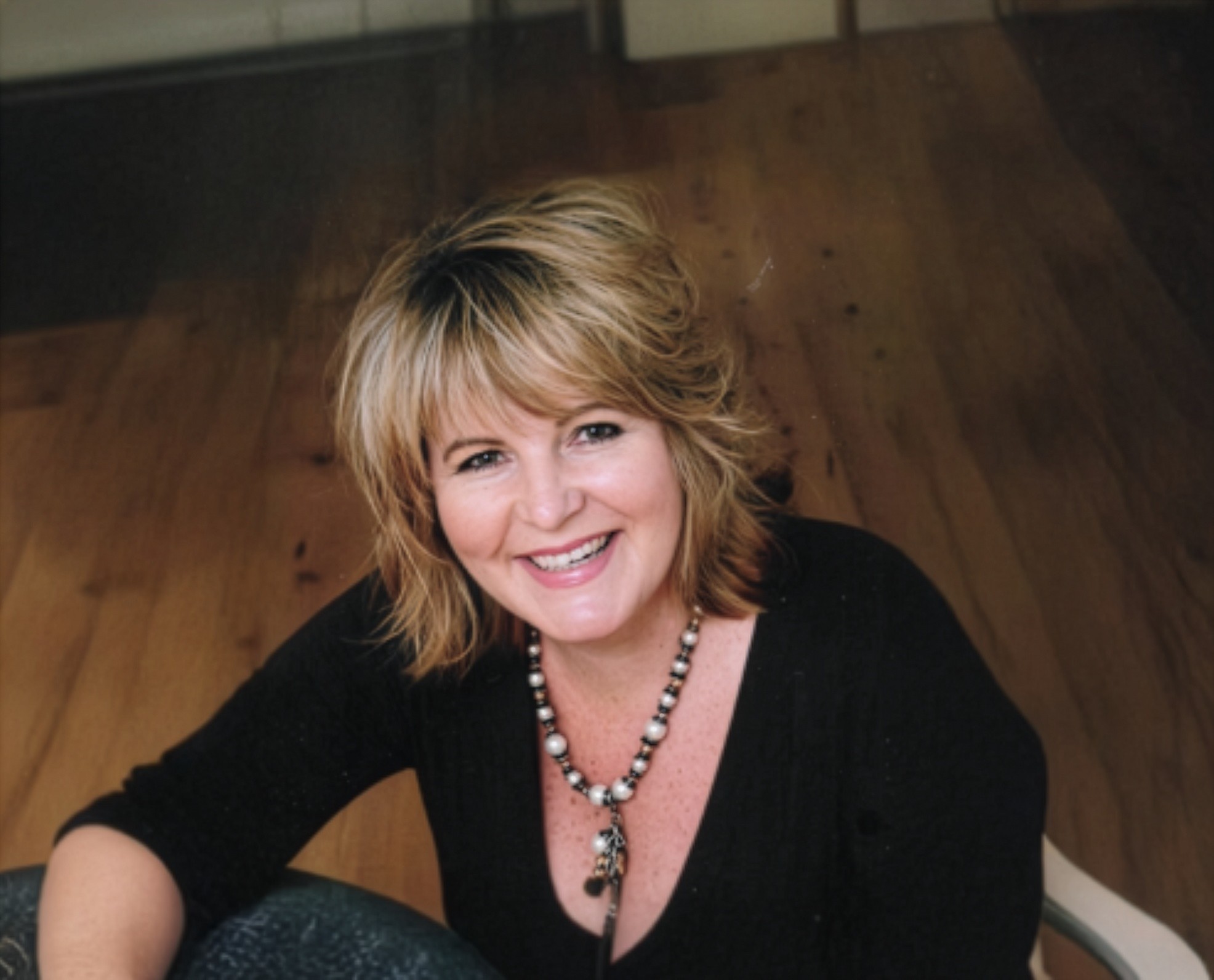
About the Author: Beverly Jeursen is a highly experienced liquor licence consultant with more than 20 years in the industry. Recognised and recommended by the Liquor Licensing Authority as one of the best agents in South Africa, Beverly has helped thousands of businesses successfully obtain their liquor licences across all provinces.